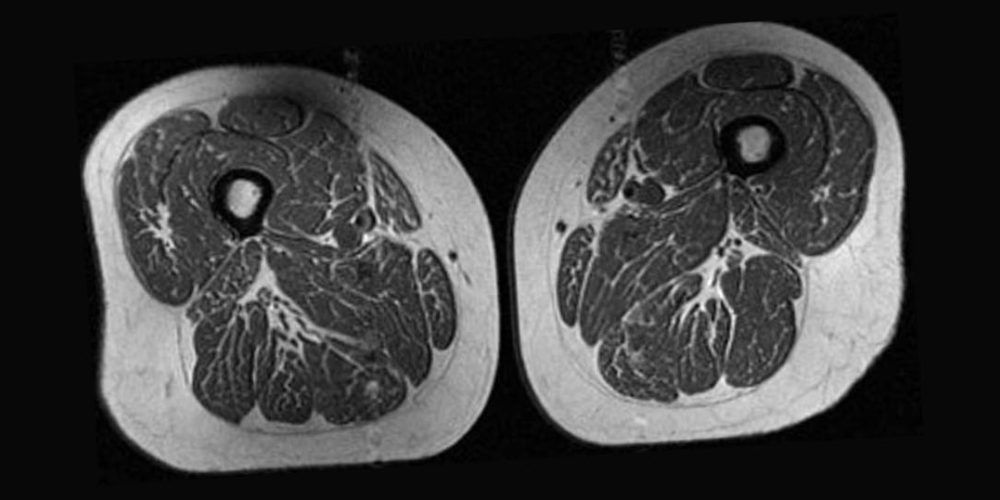

A recent study published in Nature Medicine has sparked discussions about a potential, but rare, link between Alzheimer’s disease and a discontinued alzheimer growth hormone treatment.
This article explores the key takeaways from the study and the insights offered by leading experts in the field.
Alzheimer’s Disease and Growth Hormone
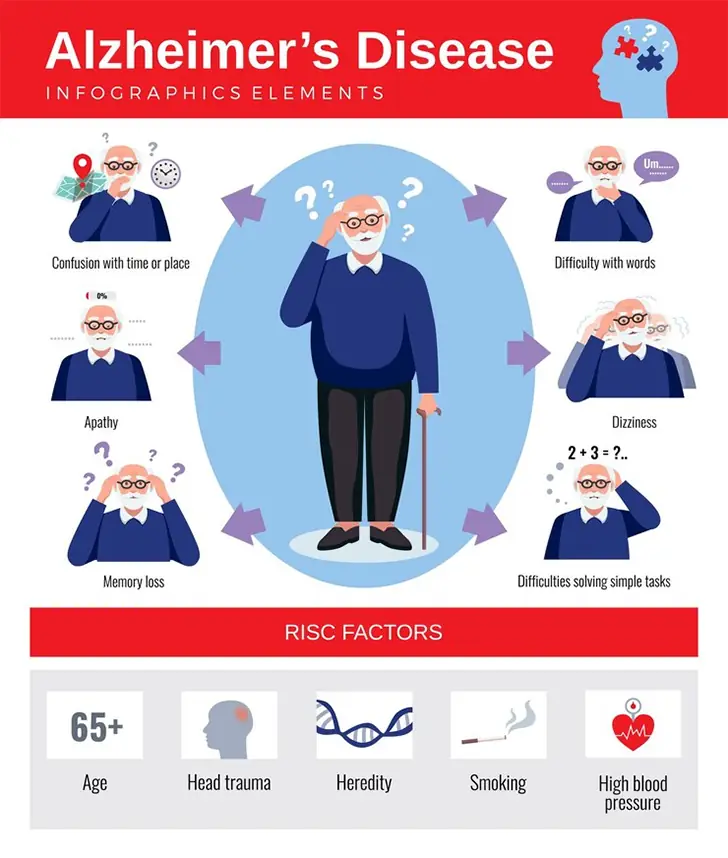
The discontinued treatment involved injections of human growth hormone derived from deceased donors. While this practice ceased in the 1980s due to risks associated with Creutzfeldt-Jakob disease (CJD), the new study suggests a possible, though uncommon, link between this Alzheimer’s growth hormone treatment and the development of Alzheimer’s disease in some recipients.
Expert Opinions: Weighing the Evidence
Several prominent figures in healthcare research weighed in on the study’s findings. Here’s a breakdown of their key points:
- Dr. Richard Oakley from Alzheimer’s Society emphasizes the extreme rarity of this potential transmission route and the limited scope of the study, which only examined a small group of patients.
- Dr. Maëva May of the Stroke Association highlights the importance of this research in understanding the complexities of Alzheimer’s disease and Alzheimer’s growth hormone. She underscores that current growth hormone treatments are synthetic and pose no such risks.
- Dr. Susan Kohlhaas from Alzheimer’s Research UK stresses that this form of Alzheimer’s growth hormone treatment is no longer used and that strict procedures are now in place to prevent such occurrences. She emphasizes there’s no evidence of Alzheimer’s disease transmission through everyday interactions.
- Prof Bart De Strooper from the UK Dementia Research Institute emphasizes the very low risk associated with current medical procedures and blood transfusions. He advocates for continued vigilance but assures the public that such transmission is unlikely.
- Prof Tara Spires-Jones, also from the UK Dementia Research Institute, points out the limitations of the study’s sample size and the presence of other potential risk factors for dementia in some participants. She reassures the public that this specific type of alzheimer’s growth hormone treatment is no longer used.
- Prof Andrew Doig from the University of Manchester acknowledges the thoroughness of the research but cautions against overstating the conclusions. He highlights the lack of evidence for this transmission mode occurring elsewhere and emphasizes the existing safeguards in place for brain tissue transmission.
Key Takeaways and Reassurances
While the study sheds light on a potential, but rare, route of Alzheimer’s growth hormone transmission, it’s crucial to understand that this treatment is no longer practiced. Experts emphasize the safety of current medical procedures and synthetic growth hormone treatments.
This research offers valuable insights into the spread of amyloid beta protein within the brain, paving the way for future advancements in Alzheimer’s disease treatments.
Hope for the Future
The discontinued Alzheimer growth hormone treatment may have posed an unforeseen risk, but it has also opened doors for new areas of research. Scientists are now delving deeper into the possibility of Alzheimer’s disease transmission and the role of amyloid beta protein.
This newfound knowledge can inform the development of better diagnostic tools and, effective treatments for Alzheimer’s disease, a condition that affects millions worldwide.