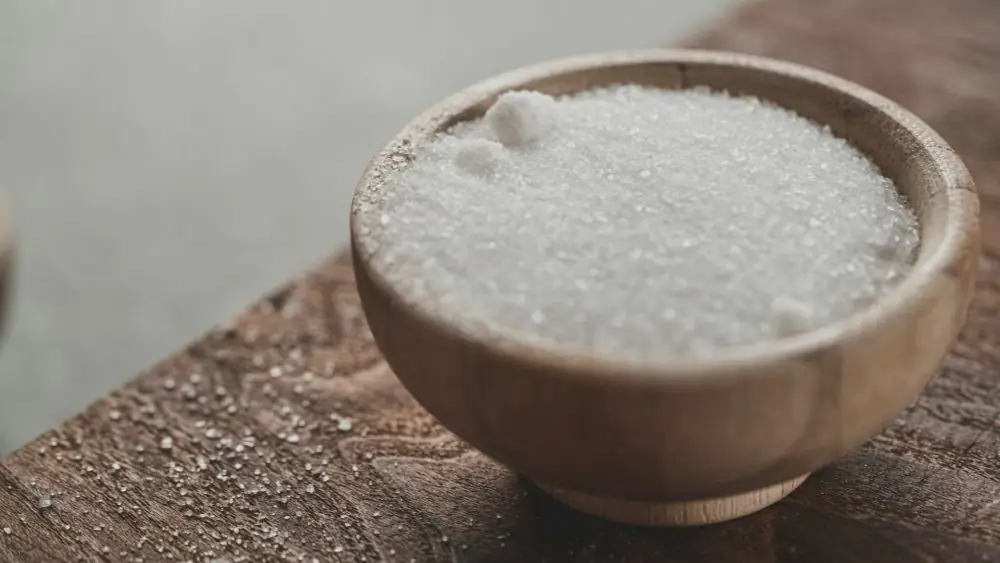
Salt is not the enemy, but too much of it can quietly sabotage your health. It is essential in small doses, yet dangerous when overdone. Your body needs salt to function. It helps muscles contract, nerves fire, and cells stay balanced. But the line between “just enough” and “too much” is thinner than you think.
Most adults only need about 500 mg of sodium a day to stay alive and well. That’s less than a quarter teaspoon of salt. Yet, most Americans eat over 3,500 mg daily. That is more than double what is ideal. And it is not because people are pouring it from a shaker. It is hiding in packaged foods, frozen meals, pizza, canned soups, and takeout.
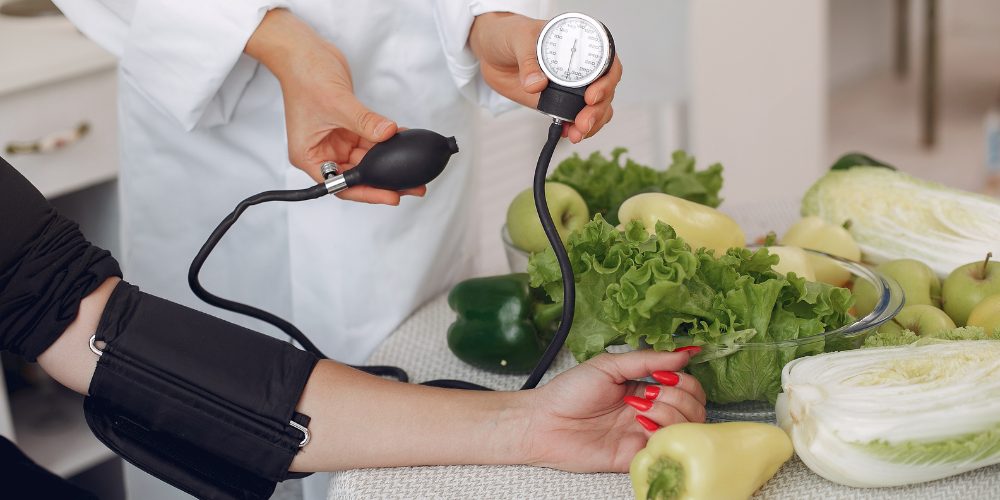
The problem is that high salt intake has serious consequences. Too much sodium raises your blood pressure. High blood pressure puts extra stress on your arteries, heart, and kidneys. Over time, that leads to heart disease, stroke, and kidney damage. In fact, high sodium is a top contributor to early death worldwide.
Doctors say that 2,300 mg of sodium per day is the upper limit. That is about one teaspoon of salt. But if you want to protect your heart, shoot for 1,500 mg or less. That is especially true if you already have high blood pressure, kidney issues, or heart disease. These folks should aim for 1,000 to 2,000 mg daily. Lowering salt might feel annoying at first, but it pays off fast. Blood pressure drops in weeks, not months.

Too much salt now might not hurt, but the damage stacks up. You don’t need to cut it to the bone, just don’t go wild. Learn what is in your food and make smarter choices.
You may be eating more salt than you think. It is in bread, cheese, salad dressings, sauces, and snacks. Even “healthy” foods like veggie burgers or low-fat soups can be salt bombs. Always check the label. Look for less than 15% of your daily sodium per serving. And remember, the fewer ingredients, the better. Fresh, whole foods are your best bet.
Should You Cut Back on Salt?
Cutting back doesn’t mean flavorless meals. Try herbs like rosemary, garlic, pepper, or lemon juice to boost taste. Many people adjust to lower salt in a few weeks. Your taste buds reset, and suddenly, salty chips taste like seawater.
Some people actually need more salt. If you have conditions like Addison’s disease, cystic fibrosis, or orthostatic hypotension, your doctor might recommend higher sodium. High-performance athletes can also lose a lot of salt through sweat.
If you don’t fall into one of these groups, piling on salt isn’t helping you. Instead, it is hurting you.
Some people get headaches or feel their hearts race after a salty meal. That’s your body waving a red flag. Listen to it. These symptoms might seem small, but they are warnings. Don’t ignore them.
It is never too late to change. Even if you have eaten salty food for years, reducing your intake now can still improve your health. Your heart will thank you. Your kidneys will too. And chances are, you will feel better, less bloated, more balanced, and more in control.