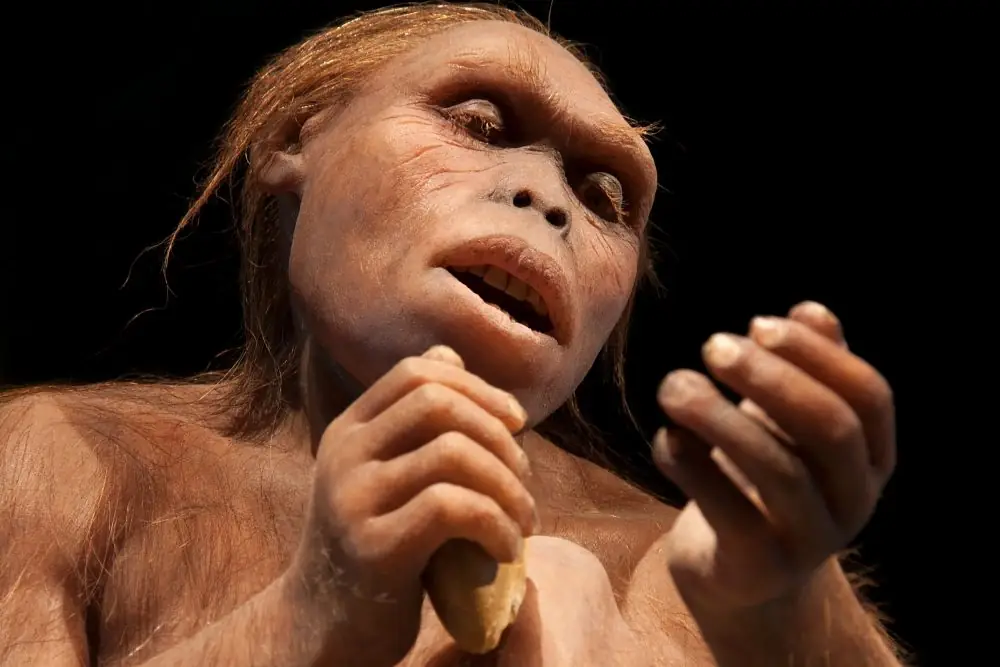
Think cavemen lived on meat, meat, and more meat? That story has some bite, but it is far from the whole meal. The idea of the all-meat caveman has stuck around thanks to dramatic discoveries and modern diet trends. But new science says our ancestors were way more creative and flexible eaters than we have been told.
Think cavemen lived on meat, meat, and more meat? That story has some bite, but it is far from the whole meal. The idea of the all-meat caveman has stuck around thanks to dramatic discoveries and modern diet trends. But new science says our ancestors were way more creative and flexible eaters than we have been told.
This myth started with bones simply because they survive the longest. Early digs revealed plenty of animal remains, and without plant material to balance the picture, the assumption took hold: ancient humans were mostly hunters. Pop culture—and trends like the Paleo diet—ran with it, reinforcing the macho idea that our ancestors lived almost entirely on meat.
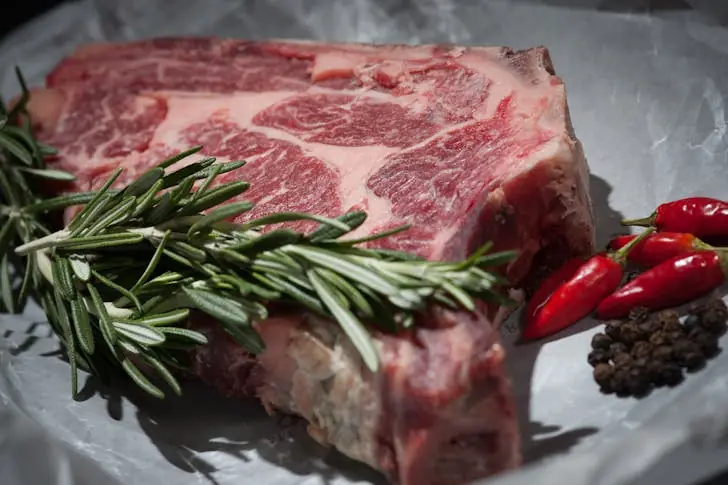
Mali / Pexels / With better methods, scientists now see early humans as flexible foragers, not single-minded hunters.They ate whatever the land gave them, which often meant far more plant food than people realize. As Dr. Emma Pomeroy reminds us, “For most humans, that wasn’t the case.” The cartoon version of a meat-gnawing caveman simply doesn’t hold up.
The Plant Clues We Missed
A surprising amount of evidence comes from teeth. Hardened dental plaque can hold microscopic food particles, letting scientists peer into meals eaten thousands of years ago. They’ve found remnants of oats, nuts, seeds, and wild legumes in early human teeth.
Neanderthals show the same pattern—plenty of plant residue stuck in their teeth, not just the ghosts of giant-game dinners.
Isotope testing adds another layer. These chemical signatures in old bones reveal long-term dietary habits. Some European Neanderthals did eat a lot of meat, but many others didn’t. A major 2024 study from Morocco showed diets built largely on plants like acorns and pistachios. Not exactly the steak-heavy portrait we’ve been sold.
Yes, They Ate Meat, But That Is Not the Whole Story
That said, meat was definitely on the menu. There is no denying that early humans hunted, and hunted well. They figured out how to bring down big game, and that gave them a lot of calories fast. One successful kill could feed a group for days. It made sense to chase those payoffs, especially in colder climates where plants were scarce.
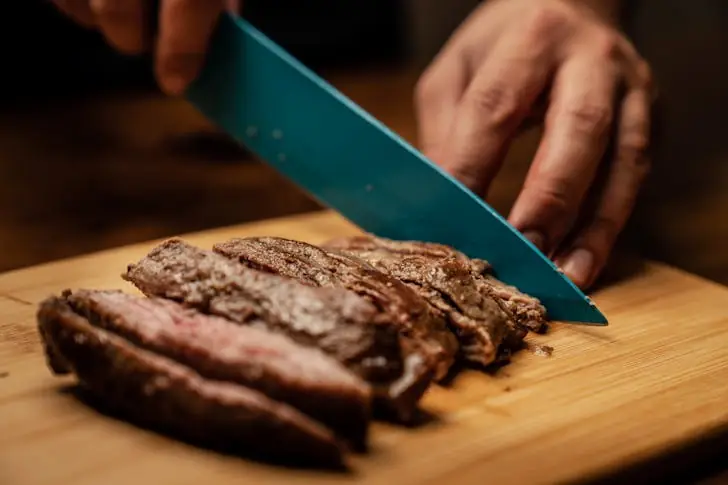
We store fat efficiently, which could be a response to feasting and fasting. These traits hint at a long history of meat eating, but not an exclusive one.
Then there is the ‘megafauna theory.’ It says humans focused on hunting giant animals like mammoths until they started dying off. After that, people turned more to plants. It is possible that the shift pushed humans to get better at gathering and even early forms of farming. Still, none of that means we were ever true carnivores.
Our Ancestors Were Opportunists
So, what did early humans actually eat? The real answer is, it depends. It depended on where they lived, what season it was, and what they could get their hands on. In icy regions, people might have eaten mostly blubber and meat. In forests or grasslands, nuts, berries, and grains were more common.
Some likely scavenged leftovers from other predators when fresh meat was hard to come by.
Plant foods had one big advantage: reliability. A hunt could fail. Plants were more consistent. They might not offer the same calorie bang as a mammoth, but they could fill you up when meat was off the table. According to Dr. Pomeroy, that consistency made plant foods a vital part of daily life for many ancient groups.