
Ultra-processed foods are in nearly every pantry, fridge, and lunchbox. From chips to frozen pizzas to those colorful cereals, these foods are built for convenience, taste, and long shelf life. But there is a cost, and it goes beyond empty calories.
They may seem harmless, but ultra-processed foods are changing the way your body works. However, they are not just “junk food.” They are factory-made blends of chemicals, additives, and synthetic ingredients designed to keep you coming back for more.
What Counts as Ultra-Processed?
Ultra-processed foods aren’t just regular meals with a few extras. They are made mostly from ingredients you wouldn’t cook with at home. Think corn syrup, hydrogenated oils, artificial colors, and lab-made flavor boosters.
Many protein bars, flavored yogurts, packaged breads, and plant-based meats are also ultra-processed. If they are in a box with 20 ingredients, and half of them are hard to pronounce, they probably fall into this category.

They also last forever on the shelf, making them a dream product for grocery stores and manufacturers. It’s no surprise that they dominate nearly 60% of the average diet in many developed countries.
What Happens Inside Your Body
The first thing ultra-processed foods do is spike your blood sugar. These quick-digesting carbs hit your system fast, making your insulin work overtime. That leads to crashes, cravings, and more snacking.
Over time, this rollercoaster eats away at your body’s balance. You feel tired, foggy, and always hungry. Plus, the added sugars and fats start stacking up in your liver and waistline.
Studies show people tend to eat more when their meals are ultra-processed. These foods are engineered to be easy to chew and swallow, so you eat faster and don’t feel full as quickly.
Your body misses the natural signals that say, “Stop, I’ve had enough.” So you overeat. And it happens again the next day. That is how weight gain sneaks up, even when you think you are eating “okay.”

Brain Fog and Mood Swings
Ultra-processed foods also mess with your brain. The lack of real nutrients affects your focus and mood. Your brain needs vitamins, healthy fats, and minerals to run right. These foods don’t provide much of that.
Instead, they flood your system with sugar, triggering short bursts of energy followed by crashes. That messes with your mood and focus. Over time, this pattern can raise your risk of anxiety and depression.
These foods don’t feed your good gut bacteria. In fact, the additives and emulsifiers can damage the lining of your gut and stir up inflammation. That makes your body more sensitive and reactive, which leads to bloating, fatigue, and other chronic issues.
These foods are low in fiber, antioxidants, and real nutrition. You are filling up, but your body is starving for what it actually needs.
Some studies link high intake of ultra-processed foods with a higher risk of cancer, heart disease, and early death.
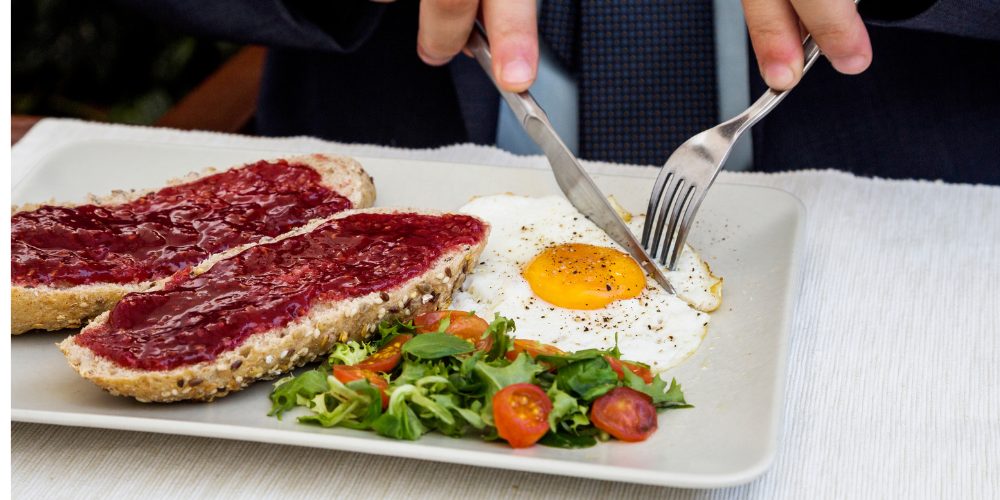
That said, you don’t need to go full-on organic chef. Life is busy, and no one expects you to cook every meal from scratch. Start reading labels. Pick foods with fewer ingredients. Eat more whole foods that look like they did when they came out of the ground. Think apples, not apple-flavored snacks. Chicken, not chicken nuggets.