
Unlocking the secret to optimal gut health is like uncovering the key to overall well-being. In our quest for a balanced and resilient digestive system, understanding the role of essential vitamins becomes paramount. From supporting digestion to bolstering immunity, these vital nutrients play a pivotal role in nurturing the delicate ecosystem of our gut. In this article, we delve into the world of gut health, exploring the vitamins good for gut health that promote its equilibrium and vitality.
The Importance of Gut Health
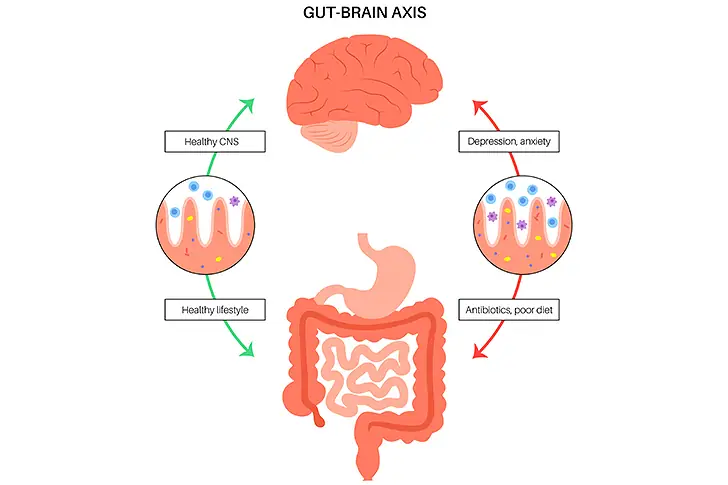
The impact of gut health on well-being is much. Neil Paulvin, D.O., a functional medicine expert in New York City, explains that the gut is connected to the brain via the gut-brain axis, affecting mental health. Some researchers even refer to the gut as the “second brain.”
Studies show that the digestive system can influence:
- Immune function
- Sleep patterns
- Nutritional status and metabolism
- Autoimmune conditions
- Chronic diseases like type 2 diabetes and heart disease
Indicators of an Unhealthy Gut
An unhealthy gut can impact general health. Signs of gut problems include:
- Digestive troubles like diarrhea, gas, bloating, or constipation
- Reduced immunity
- Sleep issues
- Persistent fatigue
- Heightened stress and anxiety
Strategies to Enhance Gut Health
Improving gut health involves several approaches, according to Kyle S. Eldredge, D.O., a colorectal and general surgeon in Florida. Key strategies include:
- Consuming a high-fiber diet rich in fruits, vegetables, whole grains, legumes, and nuts
- Regular physical activity
- Enough sleep
- Stress management
Supplements can provide additional support for gut health, Dr. Eldredge notes. But, Dr. Supriya Rao, a gastroenterologist in Massachusetts, advises prioritizing dietary and lifestyle changes first. Since supplements are not FDA-regulated and may vary in effectiveness, it’s essential to consult a doctor before using them.
Exploring Vitamins Good for Gut Health
Based on research and expert recommendations, the following supplements and vitamins good for gut health, but always seek medical advice for dosage and potential interactions before starting any supplement.
1. Probiotics

Probiotics are live beneficial bacteria that help balance gut flora. Dr. Amy Lee, chief medical officer of Lindora, a weight loss clinic in California, stresses the importance of having a balanced variety of probiotics for a healthy gut. These are found in fermented foods like Greek yogurt, kombucha, and kimchi, and are also available in supplements.
2. Prebiotics
Prebiotics are indigestible fibers that fuel probiotic bacteria. Dr. Lee explains that prebiotics, high in fiber, are found in most fruits and vegetables. Consuming prebiotics supports the growth of probiotics. Prebiotics are also available as supplements and can be paired with probiotics.
3. Apple Cider Vinegar
Apple cider vinegar (ACV), made from fermented apple juice, contains pectin, a type of prebiotic. Dr. Lee points out that unpasteurized ACV “with the mother” may include beneficial probiotic bacteria. However, there is limited human research linking ACV directly to gut health benefits.
4. Psyllium Husk
While fiber is best obtained from food, psyllium husk supplements can help meet daily fiber needs if dietary intake is insufficient, according to Dr. Rao. Psyllium husk forms a gel-like mass in water, aiding in waste movement through the intestines and relieving constipation, as well as bulking up stool to alleviate diarrhea.
5. Vitamin D
Vitamin D deficiency is common, particularly in areas with limited sunlight and among individuals with darker skin. Dr. Rao suggests that a healthcare provider may recommend vitamin D supplements if levels are low. A 2020 review suggests vitamin D may have anti-inflammatory effects in the digestive tract and help maintain GI wall balance, though more research is needed.
6. Vitamin C
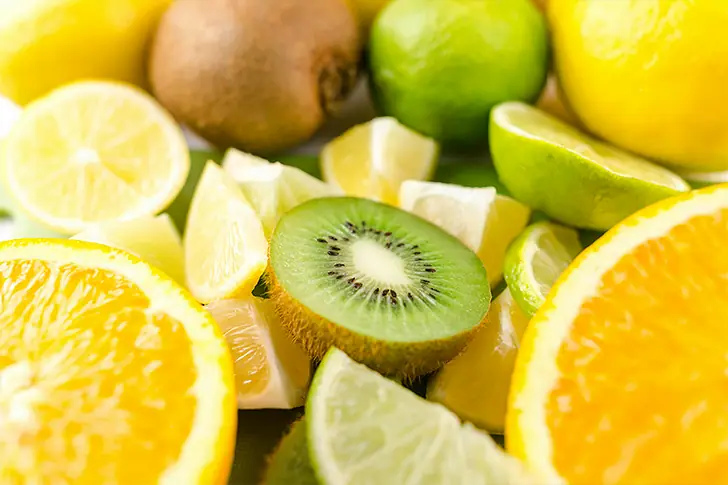
Vitamin C, a water-soluble vitamin, must be consumed daily through diet or supplements. It may enhance the production of short-chain fatty acids that act as mediators in the gut-brain axis and protect the intestinal barrier. Vitamin C is abundant in citrus fruits and vegetables like broccoli, and is also available as a supplement.
7. Butyrate
Butyrate, a short-chain fatty acid, supports colon cells. Dr. Paulvin explains that butyrate is produced when gut bacteria break down fiber and is also available as a supplement. Human studies on butyrate supplements show mixed results, requiring further research.
8. Glutamine
Glutamine, a non-essential amino acid, may benefit the gut. A 2021 review indicates it supports the gut microbiome, reduces inflammation, and strengthens the gut mucosal wall. A 2019 clinical trial found glutamine improved irritable bowel syndrome (IBS) symptoms like abdominal pain and bloating more than a placebo. Larger trials are needed for confirmation.
9. Ginger
Ginger, known for its anti-inflammatory and antioxidant properties, may influence gut microbiota. A 2020 study found that short-term ginger juice intake increased bacterial diversity in participants’ gut microbiomes. More research is needed to confirm ginger’s potential as a gut health supplement.
10. Curcumin
Curcumin, a polyphenol in turmeric, is recognized for its anti-inflammatory and antioxidant benefits. Research suggests curcumin may support beneficial gut bacteria, though human studies yield mixed results. Further research is necessary.
By incorporating these essential vitamins good for gut health into your diet, you can empower your gut microbiome to thrive. This not only benefits your digestive system but also contributes to a stronger immune system and overall well-being. Remember, a healthy gut is a happy gut!