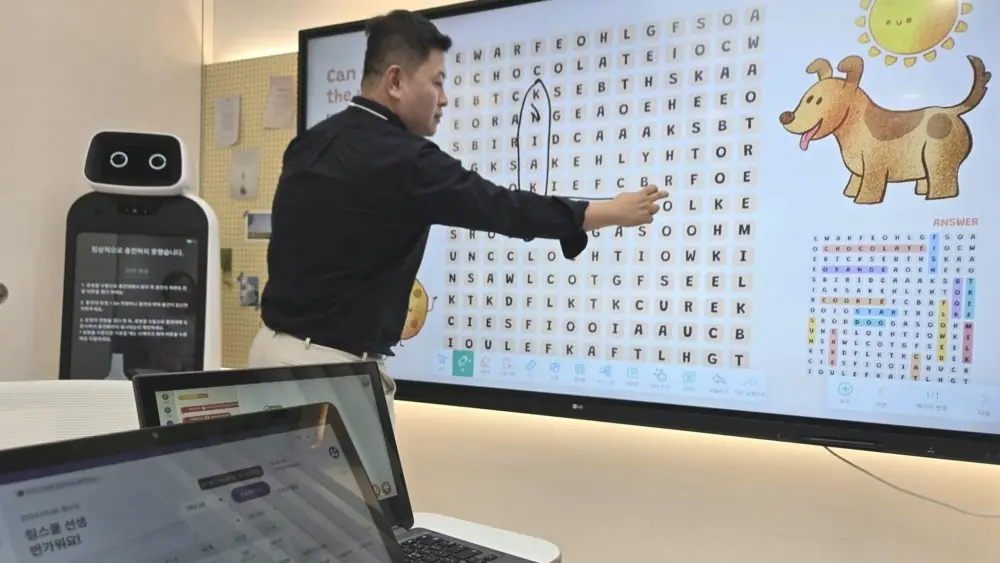
Education is changing fast, but rushing into AI tools without a plan can backfire hard. South Korea tried to overhaul its education system with AI-powered digital textbooks. The idea was bold, futuristic, and expensive. But by 2025, it collapsed. The AI books went from mandatory to optional. Parents, teachers, and politicians turned against them.
Now, the U.S. is diving into the same pool. Tools like Microsoft Copilot and AI-powered learning apps are popping up in schools everywhere. But South Korea’s experience shows us that even the best tech can flop if the rollout is sloppy.
Here are five clear lessons the U.S. needs to take seriously before we make the same mistakes.
Train Teachers First
Education doesn’t run on software. It runs on people. In South Korea, nearly all teachers said they got little to no training before AI textbooks landed in their classrooms. That left them confused, frustrated, and unprepared to use the tools in any meaningful way.

Tech becomes a burden, not a benefit. For AI to work in education, schools must invest in real training, not just once, but all the time. Short videos and one-day seminars won’t cut it. Teachers need support that fits their daily work, not just theory.
Don’t Skip the Pilot Phase
South Korea made a huge mistake: they skipped the testing phase. Instead of trying AI textbooks in a few schools first, they rolled them out nationwide. That turned classrooms into test labs, and it didn’t go well. By the time problems showed up, it was too late.
In the U.S., some schools are already going all-in with tools like Copilot without seeing how students actually use them. That is risky. Before committing, schools should test these tools in small settings, tweak them, and gather feedback. That makes it easier to adjust or stop if things go sideways. South Korea didn’t do that, and it cost them.
Involve Parents and Teachers Early On
Education doesn’t happen in a vacuum. Parents and teachers must be part of the conversation from the beginning. South Korea skipped that step. When the AI books showed up, parents worried about screen time, data privacy, and their kids losing real teacher interaction. Teachers felt blindsided and ignored. It all added up to massive pushback.
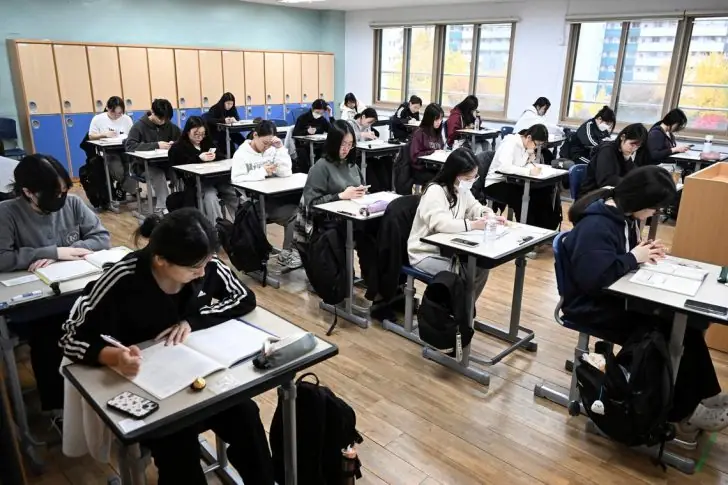
And if teachers feel like tools are being forced on them, they won’t use them well. Listening early saves headaches later.
Equity Must Come First
South Korea wanted to fix inequality in education by using AI textbooks to replace private tutoring. Ironically, the opposite happened. Richer schools had better tech, smoother rollouts, and more support. Poorer schools couldn’t keep up. That widened the very gap the program was supposed to fix.
The U.S. has this same problem brewing. Some schools have fast internet, new devices, and AI-friendly classrooms. Others are still struggling with outdated gear. If we roll out AI tools without fixing this gap, we will just make it worse.
Clear Rules Beat Hype
In South Korea, the AI textbook program became a political football. Some regions pushed it, others resisted. The government kept changing course. That killed any consistency and left schools stuck in limbo. When new leadership came in, the program got tossed aside completely.
Similarly, the U.S. can’t build education policy on hype or party lines. We need smart, flexible rules that can grow with the tech. That means clear limits on screen time, transparent data use, and rules about when and how AI is used.