
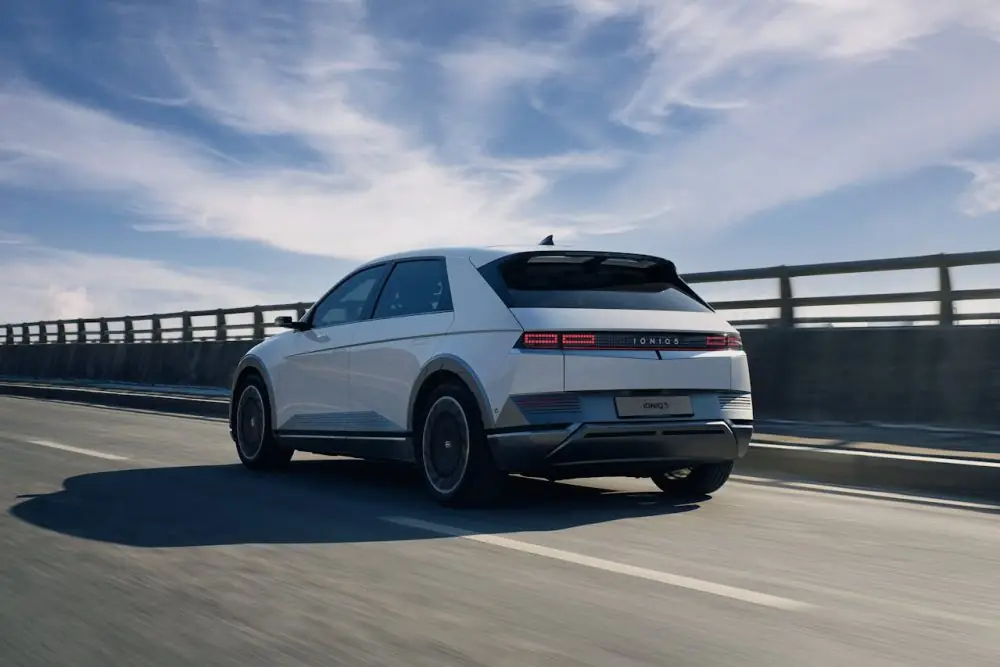
The world of electric vehicles (EVs) is growing at breakneck speed, and with it comes a massive opportunity – and challenge – for tire manufacturers. Developing the ideal EV tire has become a high-stakes race as traditional combustion engines give way to greener alternatives. However, this shift is not just a matter of making a tire that works!
It is about delivering on efficiency, performance, and sustainability in ways the automotive world has never demanded before. With a $200 billion global tire market at stake, the winner in this tire revolution stands to reap colossal rewards.
Why an Ideal EV Tire Is a Big Deal
At first glance, a tire might seem like a minor component in the grand scheme of a car. But for EVs, the stakes are higher. The efficiency difference between a well-designed EV tire and a mediocre one can mean a 7% difference in energy use. That is the difference between traveling 300 miles or 321 miles on a single charge.
For drivers, it is the difference between cruising confidently and nervously watching the range gauge tick down.
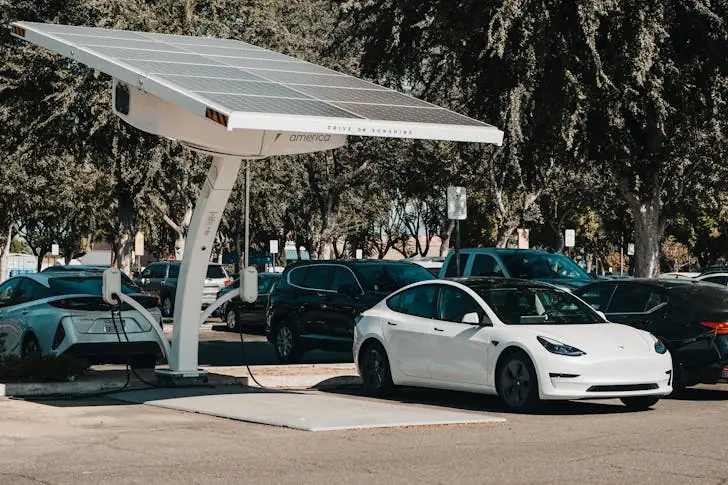
This energy optimization boils down to rolling resistance. Lower rolling resistance means less energy is needed to keep a vehicle moving, which directly translates into more range per charge.
How Tiremakers Are Tackling the Challenge
Critics of EVs have seized on tire wear as a weak point, suggesting that these particles might offset the environmental benefits of electric vehicles. But tire manufacturers are not sitting still. They are working to extend the lifespan of EV tires and minimize particle emissions by creating tougher, more durable materials.
Michelin, for example, argues that the key lies in balancing performance and sustainability. If tires last longer, fewer particles are released over their lifetime. This could neutralize the additional stress EVs place on their rubber and keep the industry moving toward its sustainability goals.
The Pollution Paradox
Electric cars have long been praised for producing no tailpipe emissions. But that doesn’t mean they are entirely pollution-free. One unexpected source of emissions lies in tire wear. As tires degrade, tiny particulates are released into the air and onto the road. And here is the kicker: EVs are harder on tires than traditional combustion vehicles.

Why? It comes down to their design. EVs are heavier due to their massive batteries and more powerful torque, which means they wear tires faster. Regenerative braking—where EVs use the electric motor to slow down and recharge the battery—also reduces coasting time, further adding to the stress on tires.
Batteries and the Bigger Picture
EVs are all about maximizing range, and the efficiency of EV tires plays a direct role in achieving this. Batteries remain the most expensive component of an electric car, and charging infrastructure is still catching up to demand. That makes squeezing every ounce of performance from a tire critical.
If a car can go farther with the same amount of energy, it makes life easier for drivers and reduces the burden on the charging network.
However, these benefits are not limited to electric cars. Tires designed for better efficiency also reduce fuel consumption in gas-powered vehicles. While EVs are leading the charge in this innovation race, the ripple effects could benefit the entire automotive industry.
You bet! Creating the perfect EV tire is no easy feat. Tires for traditional cars have always had to strike a balance between grip, durability, and fuel efficiency. For EVs, that balance becomes even more delicate. Heavier vehicles and instant torque mean EV tires need to withstand greater forces without sacrificing efficiency.