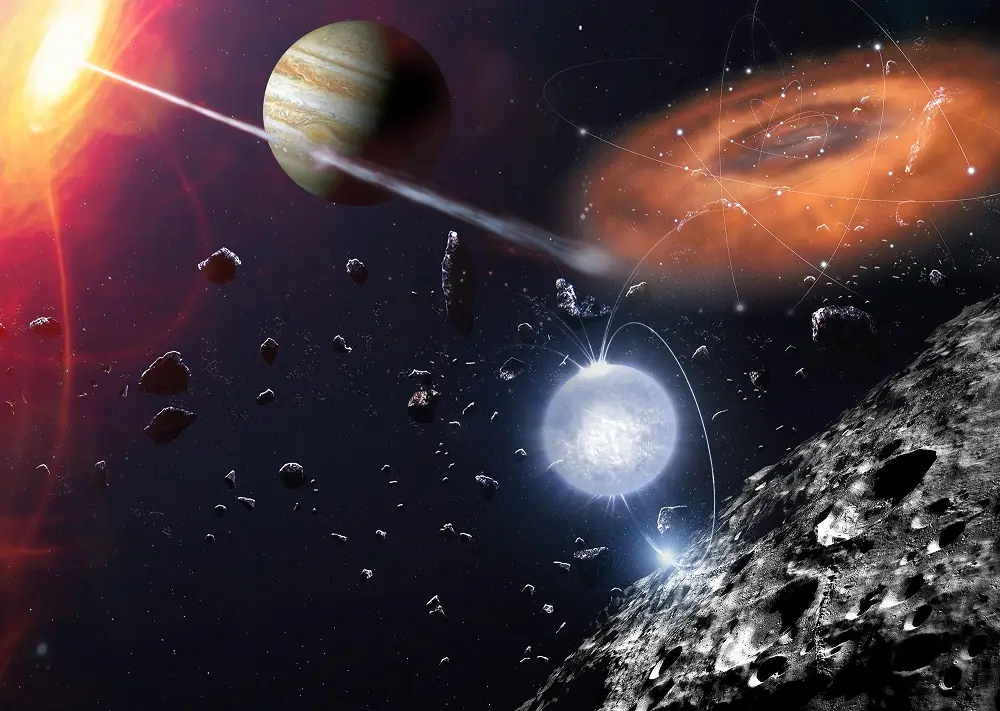
The vast and endless universe has been a source of mystery and wonder for centuries. From the stars in the sky to the planets in our solar system, studying space and astronomy has helped us better understand our place in the cosmos. Read on to delve into some of the fascinating facts about space and astronomy, providing an overview of what makes this field so captivating and inspiring.
The size of the universe
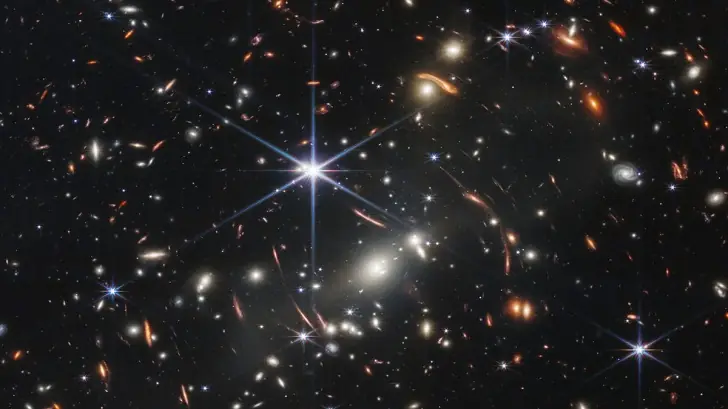
The size of the universe is genuinely mind-boggling. It is estimated to be over 93 billion light-years across, and scientists believe there may be even more to it than we can see. For example, our Milky Way galaxy is over 100,000 light-years across and is just one of the countless galaxies in the observable universe. The sheer scale of the universe is difficult to comprehend, but it helps us to appreciate just how small and insignificant we are in the grand scheme of things.
The age of the universe
Scientists believe that the universe is around 13.8 billion years old, based on observations of distant galaxies and cosmic microwave background radiation. The universe is thought to have begun as a singularity, a point of infinite density and temperature, and then rapidly expanded and cooled to form the universe as we know it today. The age of the universe is a testament to its complexity and the remarkable evolution that has taken place over billions of years.
The nearest star
The nearest star to our solar system is Proxima Centauri, which is located around 4.2 light-years away. This means that the light we see from Proxima Centauri today left the star over four years ago.
Black holes
Black holes are among the most mysterious and fascinating objects in the universe. They are formed from the collapse of massive stars, and their gravitational pull is so strong that not even light can escape from them. Scientists believe there may be millions of black holes in the Milky Way, and they continue studying these enigmatic objects to understand their properties and behavior better.
The speed of light
Light is the fastest thing in the universe, and it travels at a staggering speed of 299,792 kilometers per second. This means that light can travel around the Earth 7.5 times in just one second.
The milky way galaxy
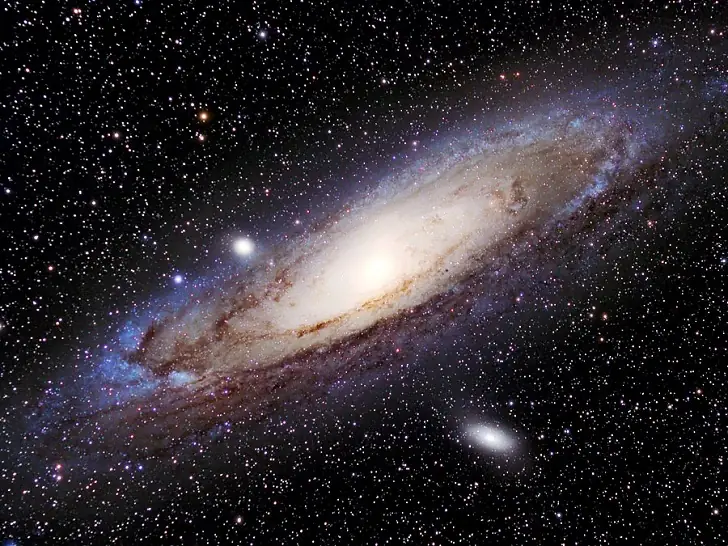
The Milky Way is the galaxy in which our solar system resides, and it’s estimated to be around 100,000 light-years across. The galaxy is shaped like a flat disk, with a central bulge and spiral arms.
The solar system
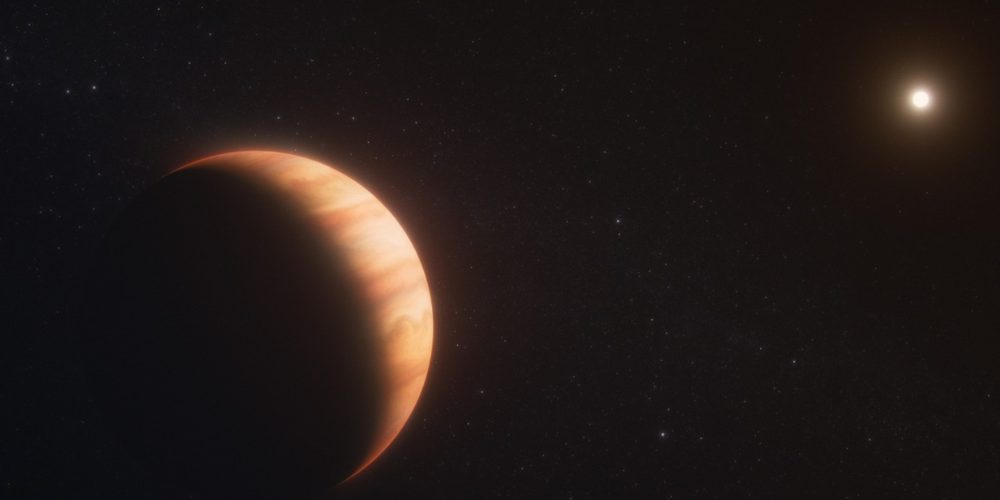
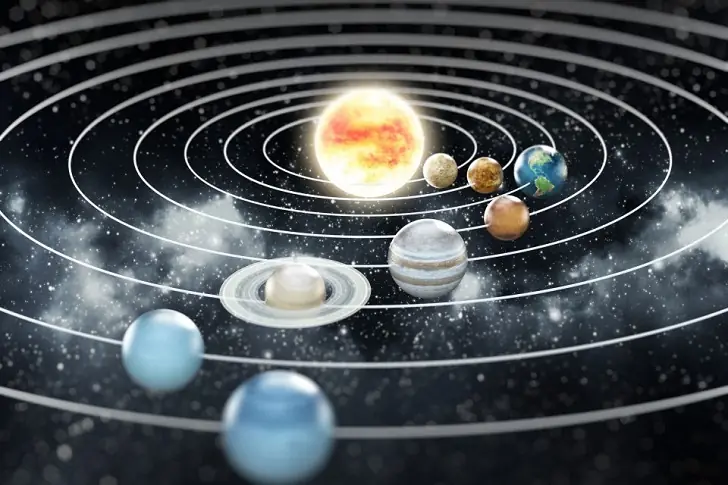
Our solar system is made up of the sun, eight planets, and numerous other celestial bodies, such as asteroids, comets, and dwarf planets. The sun is the center of the solar system and the source of light and heat that sustains life on Earth. The eight planets include Mercury, Venus, Earth, Mars, Jupiter, Saturn, Uranus, and Neptune, and each one is unique in its size, composition, and environment.
The Moon
The moon is Earth’s only natural satellite and one of the largest moons in the solar system in relation to its host planet. It was formed around 4.5 billion years ago, and scientists believe that it may have formed from a large impact between Earth and another celestial body. The moon has a profound effect on Earth, influencing our tides, climate, and even our behavior.
The asteroid belt
Between Mars and Jupiter lies the asteroid belt, which is a region of the solar system filled with thousands of small, rocky objects. These objects are thought to be the remnants of a failed planet that never formed due to the gravitational influence of Jupiter.
The Kuiper belt
Beyond the orbit of Neptune lies the Kuiper Belt, which is a region of the solar system filled with icy, rocky objects. This region is home to many dwarf planets, including Pluto, which was once considered a planet.