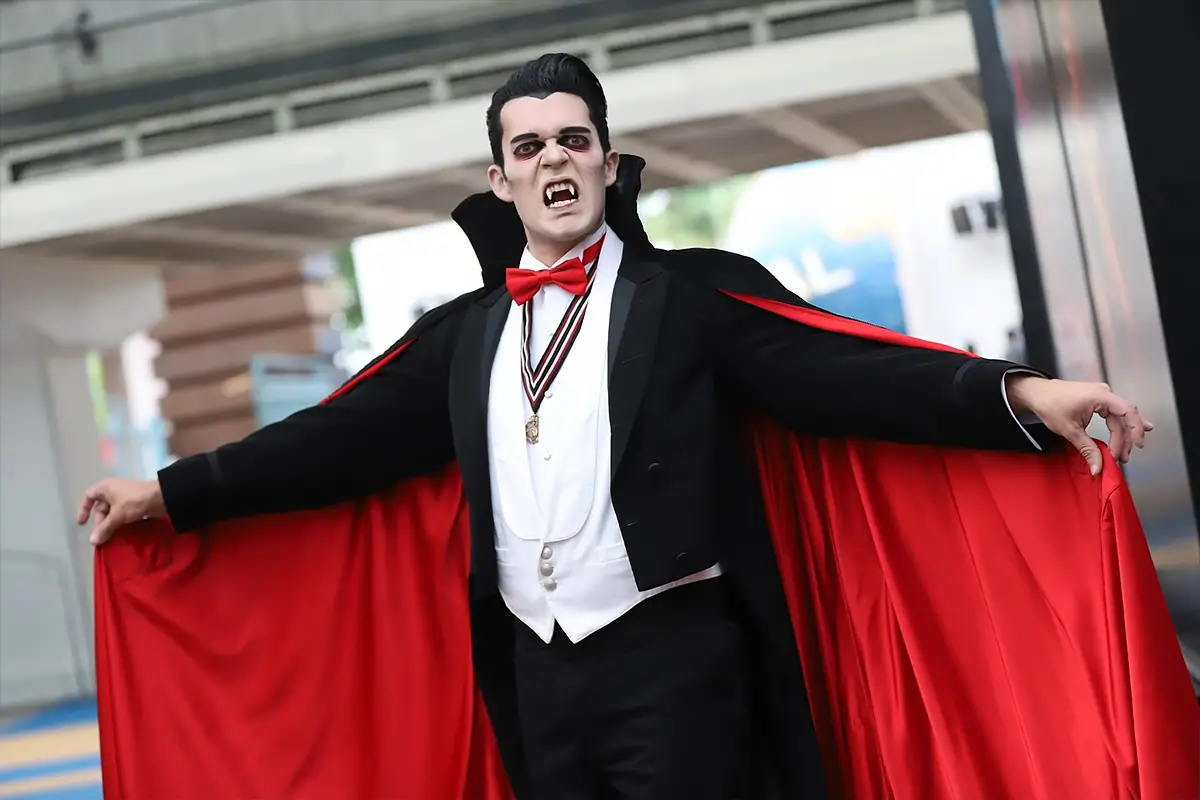
The question “how did Dracula become a vampire” is not only a central element of Bram Stoker’s iconic 1897 novel, “Dracula,” but also a fascinating entry point into discussions about ethics, accountability, and the nature of evil.
Bram Stoker’s “Dracula” is not just a horror novel. It is the quintessential vampire tale that has defined the genre for more than a century. In Stoker’s narrative, how did Dracula become a vampire? Interestingly, the novel itself does not explicitly detail Dracula’s origins as a vampire. Instead, it leaves much to the imagination, with hints and allusions scattered throughout the text.
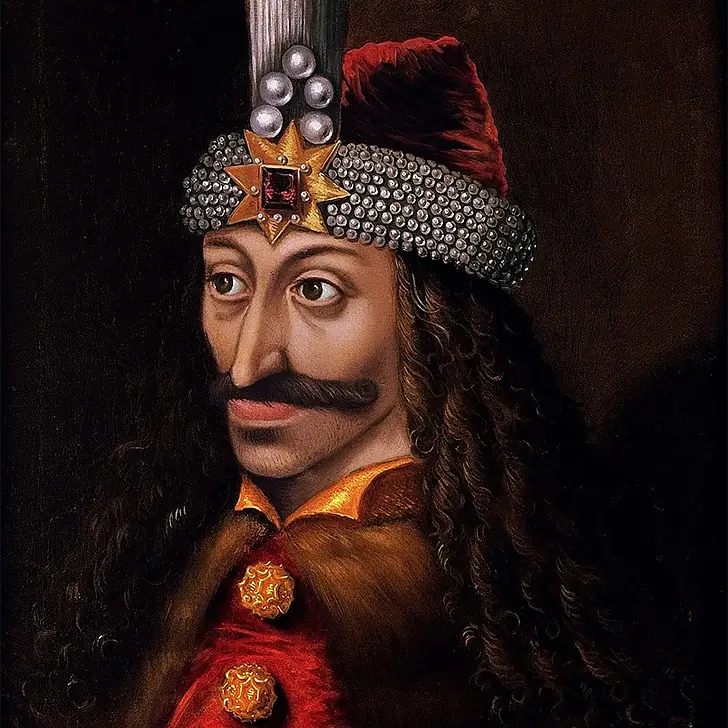
His transformation into a vampire is steeped in myth, with some stories suggesting that it was a result of a deal with the devil or a curse cast upon him for his brutal methods of protecting his kingdom.
Is Dracula’s Character a Villain or a Victim?
At its core, “Dracula” is a novel about the clash between modernity and ancient evil. But how did Dracula become a vampire, and does this transformation inherently make him evil? Dracula’s character is complex. On one hand, he is the epitome of the invasive. Thus, the corrupting influence of ancient beliefs and superstitions on a rational, scientifically-minded society. On the other, he is a tragic figure, encapsulating themes of loneliness, eternal damnation, and the loss of one’s soul.
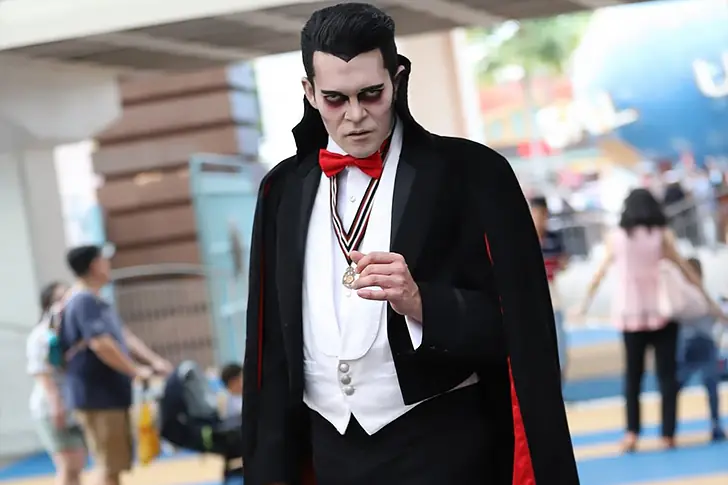
Stoker’s portrayal of Dracula taps into deep fears about the other and the unknown. The Count’s actions, which include preying on innocent lives to sustain his own and manipulating those around him, frame him firmly as a villain in the eyes of the novel’s protagonists. Yet, there is an undertone of sadness in his eternal search for connection and reincarnation of his lost love. This complicates the label of “pure evil.”
How Did Dracula Become A Vampire Then?
Delving into how did Dracula become a vampire raises significant ethical questions. Was Dracula’s transformation a result of his own moral failings or a tragic fate imposed upon him? This question drives at the heart of the accountability of his actions. If Dracula chose vampirism, we might see him as wholly accountable for his subsequent deeds. However, if he was cursed against his will, does he hold the same level of moral responsibility?
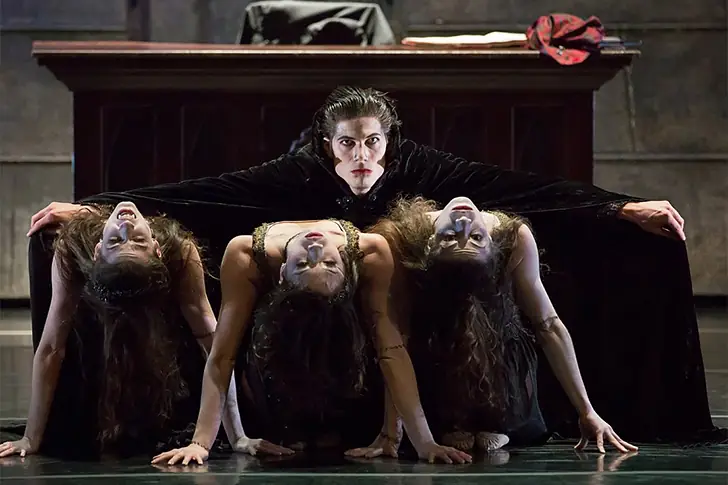
This retention complicates the ethical landscape, as it suggests he has agency and awareness, yet chooses to perpetuate his vampiric existence. Dracula’s awareness of his own corruption, yet his continued embrace of the vampire’s predatory nature, opens up a debate about nature versus nurture, free will versus destiny, and the essence of good and evil.
The Lasting Impact of Dracula’s Story
Exploring how did Dracula become a vampire also invites reflection on the lasting impact of Stoker’s creation on popular culture. Dracula has become a figure representing the ultimate outsider, one who challenges both the moral and physical laws of nature. His story has been retold and reimagined countless times, in books, movies, and other media, each adaptation adding layers to his character and origins.
This enduring fascination with Dracula reflects our collective fascination with the shadowy line between humanity and monstrosityfascination with the shadowy line between humanity and monstrosity, ethics and amorality. Dracula, as both a character and a concept, forces us to confront uncomfortable questions about our own values and the extremes we might reach under certain conditions.