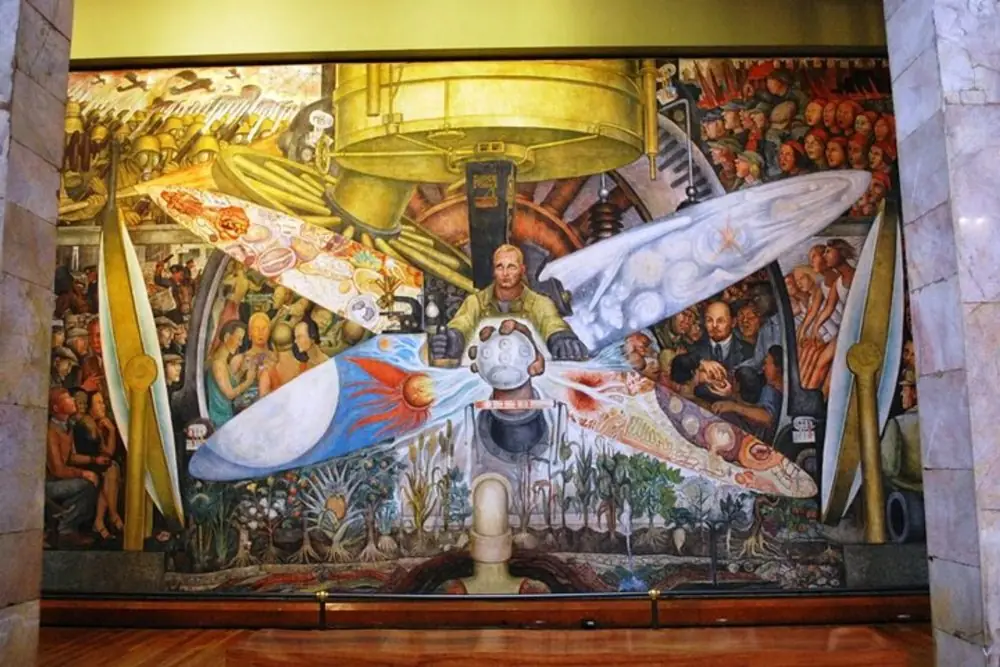
Mexican Muralism wasn’t just about big walls and bigger names like Diego Rivera or José Clemente Orozco. From the ashes of revolution, it became Mexico’s loudest visual voice. But some of its most daring storytellers were women. Today, history barely whispers their names.
After the Revolution tore the country apart and stitched it back together, public art stepped in. Muralism turned bare walls into living textbooks. Stories of Indigenous roots, modern hopes, and national pride spilled across train stations, schools, and government buildings.
But tucked behind these bold strokes was another layer: Magic, mysticism, and the feminine psyche. And that is where María Izquierdo, Cordelia Urueta, and Sofía Bassi stepped in.
Mexican Muralism
Mexican Muralism was not just political—for these women, it was spiritual. Their work didn’t shout state slogans—it whispered deeper truths. Instead of painting revolutions and factories, they painted dreams, symbols, and unseen worlds. Thus, they brought in myth, alchemy, and emotion.
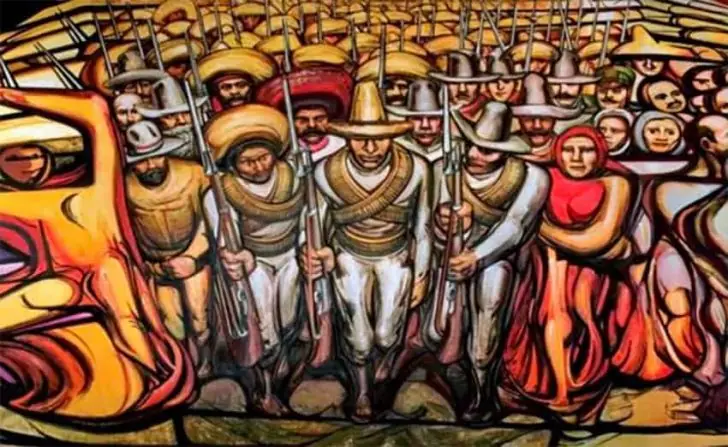
Her art balanced between this world and the next, mixing religious iconography with personal memory. She used Mexican Muralism to ask not just “Who are we?” but “What do we believe?”
Esoterica on the Walls
While Rivera painted factories, Izquierdo painted ghosts. Her mural sketches featured women levitating, spirits crossing borders, and sacred rites in motion. She challenged the macho nationalism of the muralist elite by painting inner life, emotional, mystical, and female.
Cordelia Urueta leaned hard into abstraction and the esoteric. Her art didn’t follow the classic muralist script. She used shape and color like spells – vibrant, chaotic, and strange. Her work dared viewers to slow down and feel.
So, Urueta’s take on Mexican Muralism stripped away the clear-cut stories and demanded a different kind of attention – one that looked inward.
Gender, Magic, and Resistance
Sofía Bassi pushed even further. Her surrealist murals oozed mystery. She painted floating objects, cosmic themes, and women in command of unseen forces. Her life was just as bold. She once painted a mural from prison. Her art was part rebellion, part ritual.
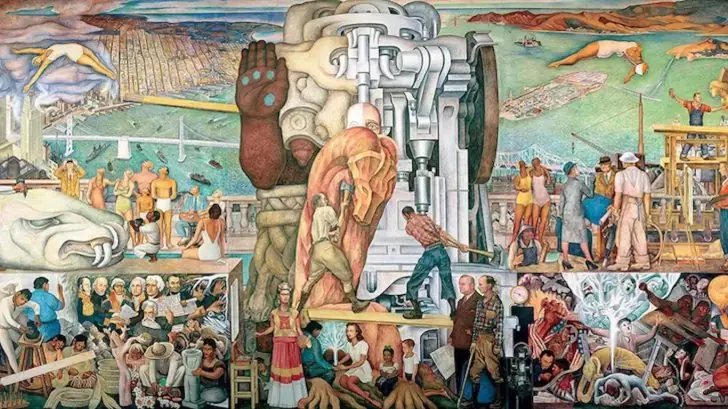
Each of these women used Mexican Muralism to question the roles women were boxed into. They mixed Catholic symbols with pagan energy, adding gods, witches, and spirits to the revolutionary script.
Why They Vanished
So, why don’t we hear about them? Because the story of Mexican Muralism was edited. Loud men stayed in, quiet women were cut out. Big institutions liked clean narratives: Strong men painting for the people. Esoteric art, with its symbols and softness, didn’t fit the bill. The art world loved bold strokes. Not blurred boundaries.
But these women didn’t disappear because they were minors. They vanished because they didn’t play the game. They painted things that couldn’t be turned into state propaganda. They painted questions instead of answers. And for a movement so tied to national identity, that was a threat.
The Legacy They Left Behind
Today, their murals and canvases sit quietly in side galleries or private collections, but their work still pulses with power. In an age where identity, gender, and spirituality are front and center, these artists speak louder than ever. They remind us that Mexican muralism was not just a tool of the state. It could also be a personal revolt.
Thus, they translated the spirit of a shaken nation through their own visions. They filled walls with the things that don’t make the news: dreams, memories, fears, symbols.