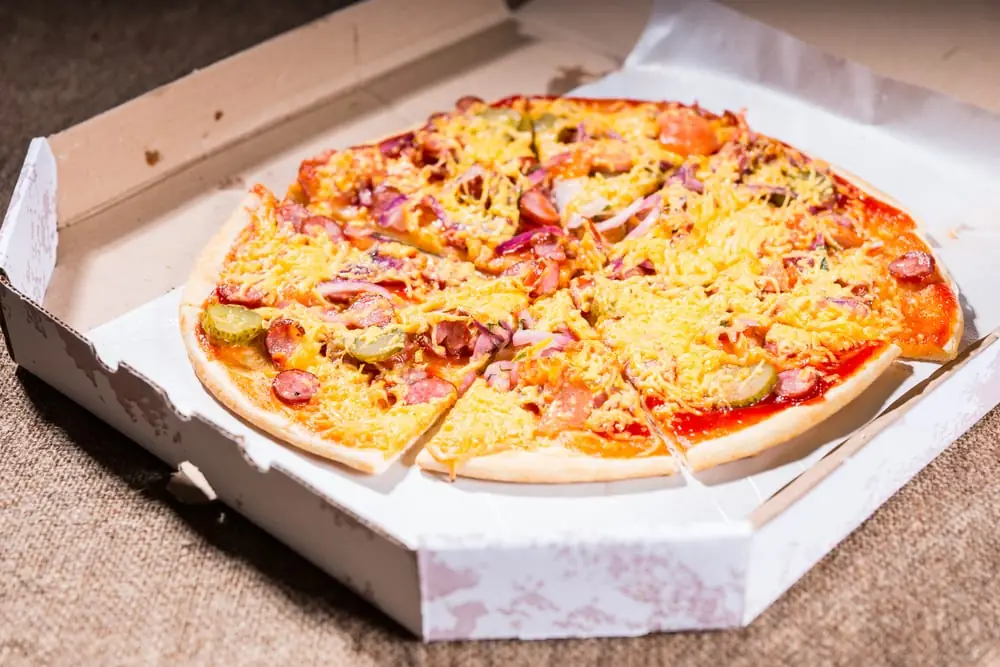
A lot of us would find it hard to stick to a strict diet if someone offered us pizza. There’s something about the crispy crust, melty cheese and sweet-tangy tomato sauce that makes it hard not to indulge in this greasy goodness.
Scientists have been trying to figure out what exactly is it about pizza that makes it the most universal food loved by all. And they all agree that the answer lies in how the pizza is constructed, with a myriad of textures and flavors packed onto one perfectly round pie of cheesy goodness.
In fact, there’s a Russian man who once put a ring on a pizza, because he loved the food so much. Befittingly, the ceremony took place at a local pizzeria since no church and authorities would allow them to tie the knot. That’s not all, the Italian dish is known to be high in calories and a lot of studies have linked it to weight gain.

That said, have you ever wondered how awesome life would be if the number on the weighing scale never budged no matter how much pizza you ate in a day? Sounds dreamy. Or what if the opposite happened after you indulged in this dish, and the number started to go down instead of up? It sounds cooler in theory but is far from reality. However, there are two people who proved the dietitians wrong by eating pizza every day and still managing to lose weight.
Pizza Diet
The first one is a New York chef who may have discovered one of the most fascinating and surprisingly easy-pizzy Pizza diet. Pasquale Cozzolino, who hails from Naples, Italy, started to gain weight after moving to the Big Apple in 2011 to work for Midtown’s PizzArte.
Initially weighing 254 pounds when he arrived in the country, this figure shot up to 370 pounds by 2012, mostly due to stress eating. Later, he started working in another pizza shop called Ribalta pizzeria where he became the executive chef.
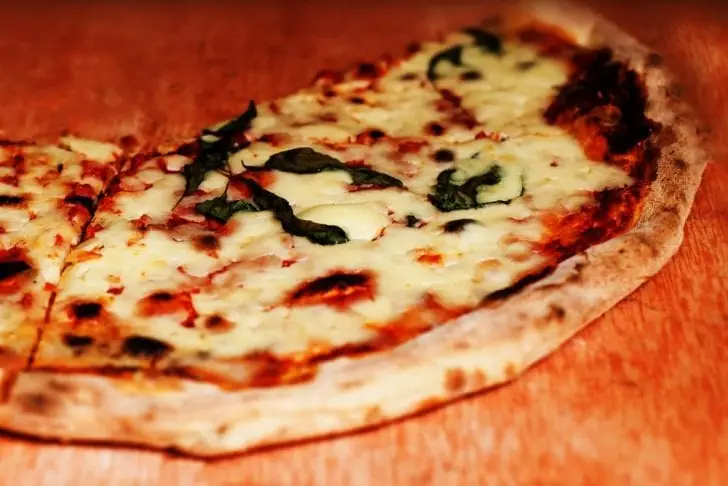
The turning point came in 2015 when his doctor warned him that he could end up having a heart attack if he didn’t lose weight. Although he cut back on sugary products, Cozzolino was still tucking into a whole Margherita pizza for lunch. After three months, he lost 40 pounds and then later on, another 54 pounds. This, he credited to the ingredients used: the dough was made out of water, yeast, salt, and flour, while the toppings were light.
Pizzapocalypse
Meanwhile, Brian Northrup also did the same thing – he chowed down a medium Domino’s pizza every day for one year and managed to shed six pounds. However, the man also worked out during the “Pizzapocalypse,” challenge which was why he managed to lose weight. He wanted to make a point to those experts who say that you can’t out-exercise a bad diet.
As for his workout routine, he did intense full-body resistance training for 30 to 40 minutes, three to four days a week and cardio for two to three hours daily. Northrup said that he didn’t get sick during the challenge, instead, he increased his cardiovascular endurance which eventually improved his heart health.
Research
A 2015 Portugal research found that cheat meals like pizza and other calorically dense foods can help motivate people to work out more. Scientists divided participants into two groups and put them on a 10,500-calorie diet for a week, but only one was allowed to eat what they wanted on Sundays. As a result, both groups lost weight but those who were given more freedom were found to be happier.

Another study in 2017 found that eating pizza among kids and adults was linked to higher sodium, calorie, and saturated fat intake. Plus, researchers found that people who ate more fast-food had higher calorie intake, exposing them to the risk of obesity, heart diseases and other life-threatening illnesses.