
The occult is now in the political crosshairs in Russia. Lawmakers are cracking down on mystics, astrologers, and folk healers, calling them a danger to public safety and a threat to the nation’s moral fabric.
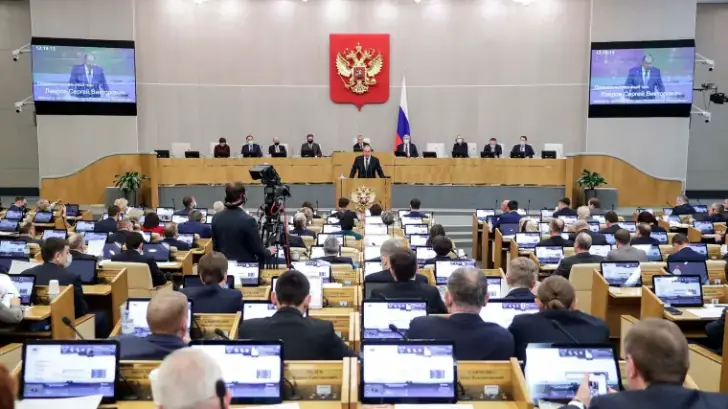
This week, a group of deputies, including Alexander Spiridonov and Nina Ostanina, submitted a new draft law. It takes aim at the booming occult industry in Russia, blaming it for swindling billions from vulnerable people. Think crystal therapy, rune readings, or magic healing. These are services that sit in legal gray zones but rake in serious cash.
Some say the total market is closer to 2 trillion rubles, or roughly $21 billion. These aren’t just fringe fortune-tellers. Many operate slick online platforms, run flashy social media ads, and draw in desperate people looking for hope or healing.
The new proposal wouldn’t just limit their reach. It would hammer down on how they promote themselves. Ads for mystical or esoteric services would be banned. If the bill passes, tarot readers and astrologers would need to slap warning labels on their content, similar to cigarette warnings. The goal? To stop people from thinking horoscopes can replace real help.
Widespread Support
Supporters of the bill argue that occult practices are more than harmless fun. They claim these services lure people away from real doctors and therapists. Folk healing, in particular, is accused of worsening public health by delaying proper treatment. Spiridonov called the industry “a form of psychological abuse wrapped in fantasy.”
The Russian Orthodox Church is all in. Leaders say the occult threatens Russia’s “spiritual and moral security.” They see it as part of a larger cultural decay, tied to foreign ideologies that don’t line up with traditional Russian values.
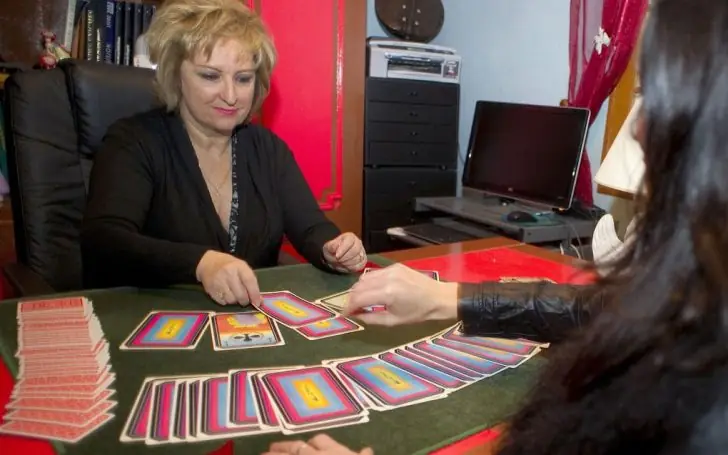
The bill outlines 36 specific types of occult services. These include astrology, witchcraft, dream interpretation, crystal therapy, and tarot. But it does make room for science-based exceptions. Licensed psychologists or certified medical workers using similar tools in therapy, like dream work or guided visualizations, wouldn’t be punished.
Enforcement Is Not Easy
However, enforcement of the bill is a herculean task. Most occult services in Russia operate in the grey economy. They are cash-based, low-profile, and often spread through word of mouth or encrypted apps. There is no storefront to shut down or corporate entity to fine. Tracking who is legit and who is running scams won’t be easy.
With economic uncertainty and declining trust in institutions, people often turn to the supernatural. Lawmakers say it is time to shut the door on that escape hatch.
But not everyone agrees on how to do it. Some officials want to outlaw the occult entirely. Others suggest a lighter touch, maybe taxing the self-employed mystics or requiring registration. That way, the state can monitor the sector without driving it deeper underground.
Reservations From the Christian Community
There is tension inside the Christian community, too. While Orthodox leaders back the bill, some Protestants and Catholics worry it goes too far. They fear it could someday be used to target churches or religious groups outside the mainstream. Others argue faith, not force, should handle spiritual battles. Evangelism, not handcuffs.
This push to crack down on the occult fits a larger trend in Russia. Over the past few years, the Kremlin has gone hard on what it calls “Western values”, shutting down LGBT rights, banning “woke” speech, and framing traditionalism as national defense. Targeting new age spirituality is just the next step.
Globally, Russia is not alone. China has outlawed fortune-telling, calling it a “fraud risk.” Saudi Arabia treats sorcery as a criminal offense. Lawmakers in Moscow now cite those countries as examples of “moral order” they want to copy.