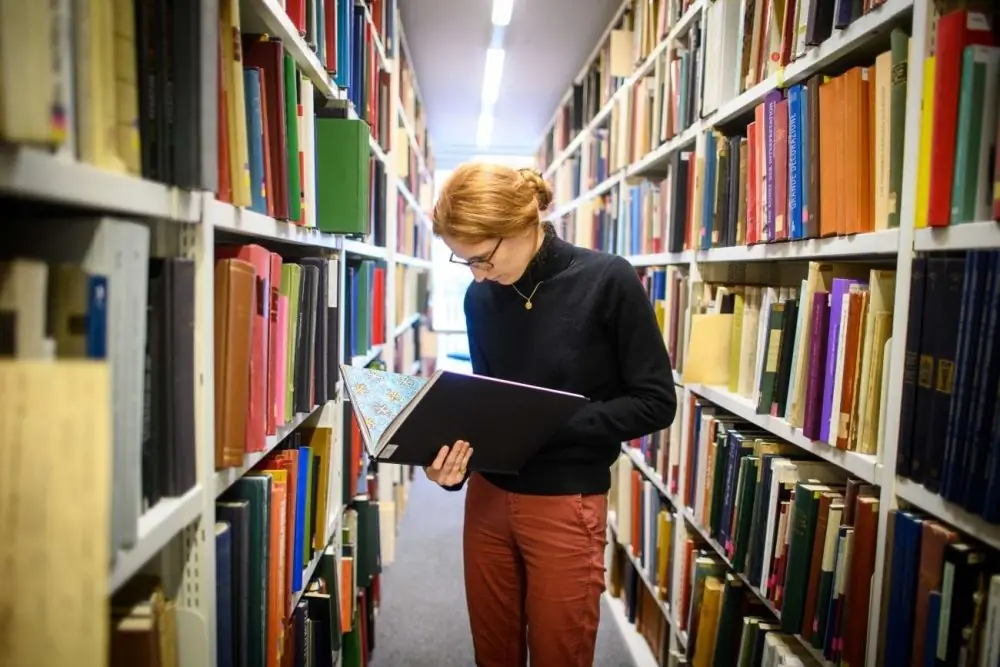
Warburg is not your average library. Tucked away in London’s Bloomsbury district, this institution houses some of the most unusual books and artifacts ever collected. After a recent £15m renovation, its once-hidden treasures are now more accessible than ever.
Stepping inside feels like entering a secret society of scholars, artists, and thinkers who see the world in connections rather than categories.
Warburg Has a Unique Approach to Knowledge
The Warburg Institute was founded by Aby Warburg, a German art historian obsessed with tracing the survival of ancient symbols across time. Unlike other libraries, its books are not arranged by author or genre but by ideas. The cataloging system follows a strange logic, placing images of comets next to Renaissance paintings, or tarot cards beside medieval scientific manuscripts. It is like walking through a physical web of human thought.
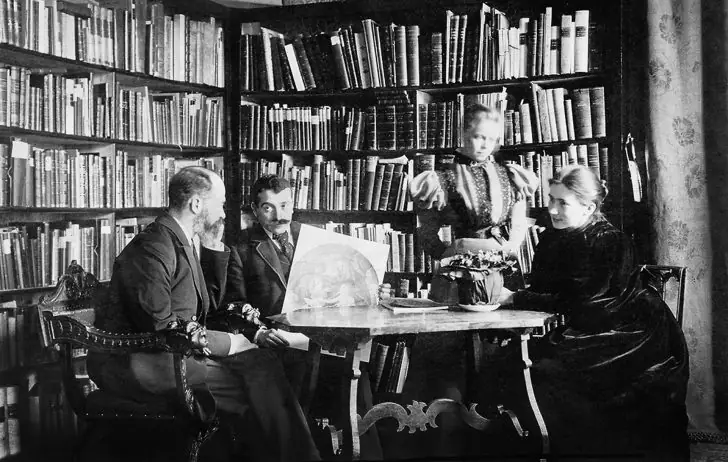
This massive collection of images, pinned to boards, anticipated the way we use the internet today. Before algorithms connected ideas, Warburg did it by hand. Now, with its new gallery and reading rooms, visitors can experience this intellectual experiment firsthand.
The Library Fled the Nazis
Warburg came from a wealthy Jewish banking family, but he chose books over finance. When the Nazis rose to power, his library was at risk. In the 1930s, it was smuggled out of Germany and relocated to London, where it eventually became part of the University of London.
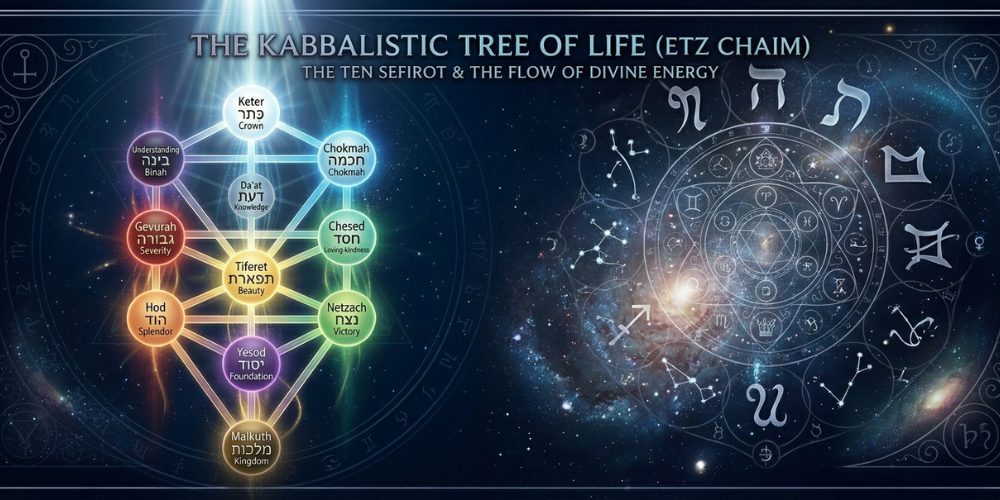
Since then, it has been a haven for scholars investigating everything from astrology to alchemy.
For decades, the Warburg was a hidden treasure, known mostly to academics. Now, thanks to its renovation, more people can explore its peculiar collection. The redesign by architects Haworth Tompkins has made the space more inviting while preserving its eccentric spirit. Walking through its corridors, you can sense the weight of history pressing in from the shelves.
It is a Library of Strange Connections
Warburg’s cataloging system defies logic in the best way. Instead of standard classifications, it groups books into four categories: Image, Word, Orientation, and Action. This allows for unexpected discoveries. You might pull out a book on ancient gestures and find it next to a folder labeled “Grasping the Victim’s Head.”
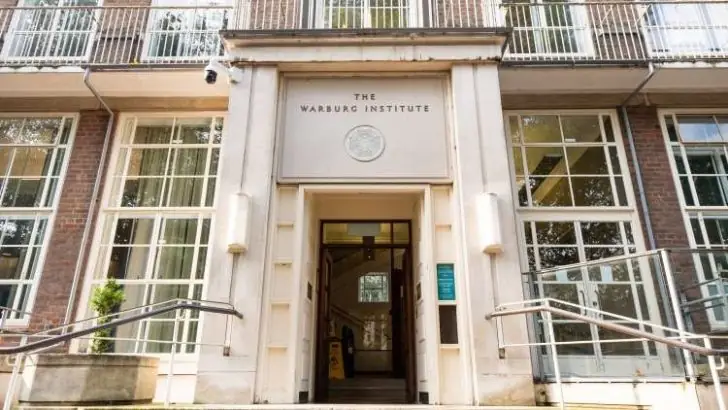
However, the renovation has revived this chaotic brilliance. Light now filters through newly opened windows, illuminating restored woodblock floors. The lecture theater, inspired by Einstein’s calculations of Mars’ orbit, has an elliptical ceiling that enhances the mystical atmosphere. Every corner of the building reflects Warburg’s belief in the fluidity of knowledge.
There is Now A Space for the Public
For years, the Warburg was an exclusive club. You needed academic credentials to get past the security desk. Now, with a new exhibition space and auditorium, the public can engage with its mind-expanding collection. The debut exhibition traces the institute’s history alongside artist Edmund de Waal’s Library of Exile, a tribute to books by displaced writers.
So, the Warburg is not just a place for reading. It is a space for thinking differently. It challenges visitors to see the world as an intricate web of ideas rather than isolated facts. So, whether you are a scholar or just curious, a visit here promises to change how you see history, art, and even your own thoughts.